



Parental leave is one of the most personal transitions an employee navigates. It is also one of the areas where payroll errors cause the most harm. Underpaid holiday pay, incorrect leave balances, and payment rates that do not reflect an employee’s actual earnings are not abstract compliance problems. They affect real people at a financially and emotionally significant time.
The Employment Leave Bill proposes to fix several of these issues. The changes affecting parental leave are specific, technical, and operate on staggered timelines
If passed into law in its current form, the amended parental leave payment calculation will apply to parental leave payment applications received on or after 1 July 2027. This date differs from the broader leave accrual and annual leave payment reforms, which are expected to come into force with the main Employment Leave framework two years after Royal Assent.
At a Glance:
- Employees continue accruing leave during parental leave, based on their standard hours before they went on leave.
- Temporary hour changes in the three months before parental leave will not affect leave accrual calculations.
- The Bill removes the calculation method that allowed returning employees to receive zero holiday pay.
- Parental leave payments will reflect 100% of actual weekly earnings before leave, across all employments.
- Only the parental leave payment provisions commence on 1 July 2027, which is a tighter timeline than the rest of the Bill (including the other parental leave changes).
Leave Accrual During Parental Leave
Employees on parental leave will remain entitled to annual leave as is the case presently,
however, instead of becoming entitled to 4 weeks of annual leave on their anniversary date,
they will accrue leave based on standard working hours.
Under the proposed legislation, leave will accrue at a minimum rate of:
| 0.0769 hours for every standard hour worked
The key question is how “standard hours” are defined for an employee who is not currently
working. The Bill introduces a clear answer.
How Standard Hours Will Be Determined
The employee’s leave accrual will be based on the standard hours they worked before commencing parental leave.
This means:
- If an employee had consistent standard hours before taking parental leave, those hours will continue to be used to calculate leave accrual while they are away.
- Employees will continue accruing leave even though they are not physically working during their parental leave period.
This change ensures continuity and prevents employees from being disadvantaged simply because they are temporarily absent from the workplace while caring for a child.
Temporary Changes to Standard Hours Before Parental Leave
The Bill also addresses a specific scenario: what happens when an employee temporarily changes their working hours shortly before commencing parental leave.
Without a rule to address this, short-term changes to hours could unfairly skew leave calculations in either direction. The Bill closes that gap.
When a Temporary Change Applies
A temporary change is defined as:
- an increase or decrease in standard hours; and
- a change that remains in place for no longer than three months.
If an employee and employer agree to a temporary change to standard hours within the three months before parental leave begins, the leave accrual calculation will instead be based on the employee’s standard hours immediately before the temporary change commenced.
Why This Matters
This provision prevents short-term adjustments to work hours from unfairly affecting leave entitlements.
For example:
- An employee who temporarily reduces hours due to pregnancy-related circumstances will not have their future leave accrual unfairly reduced.
- Likewise, an employee temporarily increasing hours shortly before parental leave will not artificially inflate leave calculations.
The intention is to ensure leave accrual reflects the employee’s genuine long-term working arrangement.
Amendments to the Parental Leave and Employment Protection Act 1987
Clauses 184 to 188 of the Employment Leave Bill introduce several amendments to the Parental Leave and Employment Protection Act 1987. These amendments primarily focus on correcting long-standing issues surrounding holiday pay and parental leave payments.
The most significant of these is the removal of a calculation method that, in some circumstances, has resulted in employees receiving no holiday pay at all after returning from parental leave.
Removal of Outdated Holiday Pay Provisions
Changes Under Section 184
Section 184 amends section 42 of the Parental Leave and Employment Protection Act by removing the words “and holiday pay.” As a result, the section title will now read:
| Employer’s obligation in respect of remuneration
In addition, section 42(2) will be repealed. This subsection previously required holiday pay to be calculated using the employee’s average weekly earnings.
Why the Existing Rules Created Problems
The existing calculation method often produced unfairly low holiday pay rates for employees returning from parental leave. This occurred because employees on parental leave typically have:
- little or no gross earnings during the previous 6 to 12 months; and
- reduced average weekly earnings as a result.
Consequently, employees taking annual leave shortly after returning to work could receive significantly reduced holiday pay
In Some Cases, the Rate Could Be Zero
The problem was particularly severe for employees returning after 12 months of parental leave. If annual leave was taken during the first pay period after returning to work, the employee’s average weekly earnings could potentially be calculated at a rate of zero.
This meant an employee could effectively receive no holiday pay despite returning to active employment. This is the kind of outcome the Bill is designed to prevent.
The New Protection for Returning Employees
The Employment Leave Bill addresses this issue by ensuring employees returning from parental leave are paid at least their base rate of pay for annual leave taken after their return. This amendment creates a fairer outcome and removes the risk of employees being financially disadvantaged immediately after parental leave. The same protection will also apply to holiday pay paid while an employee is on parental leave
Repeal of Section 72
Section 187 of the Employment Leave Bill repeals section 72 of the Parental Leave Act. This repeal aligns with the broader intention of removing outdated holiday pay rules that have created confusion and inconsistent outcomes for both employers and employees.
Changes to the Calculation of Parental Leave Payments
Another major reform relates to how parental leave payments themselves are calculated. It is important to note that this specific reform, covering Paid Parental Leave managed by IRD, is the component scheduled to come into effect on 1 July 2027. The changes here relate to how IRD will calculate the amount of the payment due to employees on paid parental leave.
Because the comparison is based on actual earnings prior to the commencement of paid parental leave, it is important for employers to pay employees correctly for the hours worked before paid parental leave begins. Errors in that period will flow directly into the payment calculation.
Amendment Under Section 186
Section 186 replaces section 71M(1)(b)(i) and updates the method used to determine parental leave payments. Under the new approach, parental leave payments will be paid at the lesser of:
- $788.66 (the current paid parental leave payment); or
- the greater of: the employee’s ordinary weekly pay; or the average of the employee’s gross weekly earnings from all employments.
A More Accurate Earnings Assessment
The revised calculation method focuses on 100% of the employee’s weekly earnings before parental leave commenced. Importantly, it also considers earnings across all employments, rather than limiting calculations to a single role.
This change is particularly beneficial for employees who:
- work multiple jobs;
- have variable income arrangements; or
- receive fluctuating earnings.
The goal is to create a more accurate reflection of an employee’s normal earnings before taking parental leave.
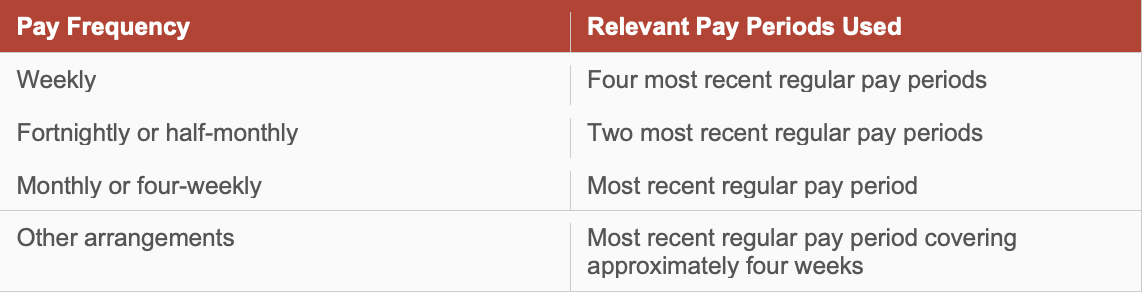
New Definition of Relevant Pay Periods
The Bill also introduces clear rules for determining which pay periods are used to calculate parental leave payments. These pay periods vary depending on how the employee is paid
Implementation Date and Employer Readiness
The new parental leave payment provisions managed by IRD are scheduled to take effect for any parental leave period beginning on or after 1 July 2027.
This specific commencement date is earlier than the broader Employment Leave framework (including the new leave accrual rates and the removal of outdated holiday pay rules), much of which is expected to come into force two years after Royal Assent.
That distinction is worth dwelling on. While much of the Employment Leave Bill conversation has focused on the two-year post-Royal Assent window, the parental leave changes operate on their own schedule. Organisations that assume they have the same preparation runway for all parts of the Bill may find themselves under-prepared for this section specifically.
What Employers Will Need to Review
If the Employment Leave Bill becomes law, employers will need to review and potentially update:
- payroll systems;
- leave calculation processes;
- parental leave policies;
- employment agreements; and
- HR administration procedures.
Because the changes affect both leave accrual and payment calculations, businesses will need to ensure their systems can accurately process the new rules before the commencement date. Early preparation will help employers avoid compliance issues and ensure employees receive their correct entitlements under the new legislation. (refer to our previous article: Employment Leave Bill: What You Can Do Now)
What These Changes Mean in Practice
The parental leave changes in the Employment Leave Bill are, at their core, about fairness. They close gaps that have existed for years: employees losing leave accrual while absent, employees receiving reduced or zero holiday pay on return, and payment calculations that do not reflect what an employee actually earns.
For employers, the technical implications are real
The Bill has not yet passed into law. But the direction is clear, and the 1 July 2027 date for parental leave provisions gives less lead time than many organisations may expect.
Understanding what is proposed is the first step. The next is assessing what it means for your specific systems, agreements, and workforce.
If you would like to discuss how these changes affect your organisation, our team is available to help.
Key Takeaways:
- The current reduced-rate parental leave holiday pay rule will be removed. Annual leave after parental leave will be paid under the general leave payment rules once the broader Employment Leave framework is in force.
- Payment calculations will reflect all earnings across all jobs (Effective 1 July 2027): Employees working multiple roles will have their total gross weekly earnings considered by IRD, not just income from a single employer
- The 1 July 2027 date applies only to parental leave payment calculations: This is a separate, accelerated timeline from the rest of the Bill (and the other parental leave changes)
- Employer payroll accuracy before leave begins matters (Critical for 1 July 2027): Because the upcoming parental leave payments are calculated on actual earnings prior to leave commencing, errors in that period will directly affect what IRD pays