

Leading With Purpose: Cel Medes Dijamco’s Journey as a PMI Global PMO Judge

Leading With Purpose: Cel Medes Dijamco’s Journey as a PMI Global PMO Judge
From LinkedIn Message to Global Influence

How one invitation sparked a journey that now helps shape the future of project delivery worldwide.

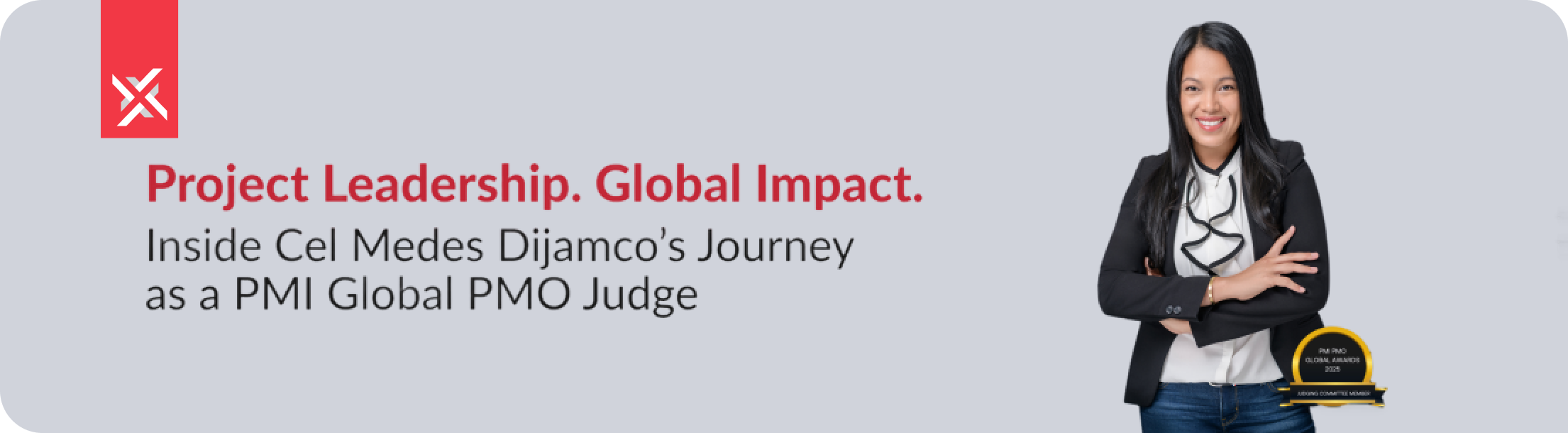
When Cel (Maricel) Medes Dijamco was selected by the Nominating Committee of the PMO Awards, she had no idea the invitation would shape the next six years of her professional life. At the time, she was serving as a PMO Manager, focused on delivering project outcomes and refining internal processes. What followed was a global opportunity that would see her representing New Zealand on the international stage, and later joining a panel of global judges assessing the world’s most impactful PMOs.

With over 20 years of experience in project and programme management, Cel brings deep operational insight, strategic vision, and an unwavering commitment to excellence in delivery. Her work has helped elevate the PMO profession in New Zealand, and her contributions as a PMI Global Judge continue to champion the value of structured project leadership worldwide.

 What Is the PMI Global Awards?

The Project Management Institute (PMI) is the world’s leading authority on project management. Since 1969, it has helped organisations and individuals deliver more effectively through professional certifications (like PMP and PMI-ACP), global frameworks (including the PMBOK Guide), and community networks such as PMINZ here in Aotearoa.

Its Global Awards recognise PMOs that drive significant business value, strategic alignment, innovation, and community impact.

Cel’s judging role involves rigorous assessment of entries from organisations across the globe. Each PMO is evaluated on a wide range of criteria: its establishment and evolution, the value it delivers internally, its contribution to external communities, and its capacity to innovate and adapt.

The Power of a Great PMO

Over the course of her judging, Cel has reviewed dozens of submissions – each one offering a unique perspective on how project offices operate across different industries and cultural contexts. But the most successful ones all share a common thread: they are change enablers.

“Strong PMOs are game changers,” Cel explains. “They drive efficiency, strategic focus, and smarter decisions across all levels of an organisation.”

Her experience highlights that the impact of a PMO often goes beyond just operational performance. The best PMOs become a driving force for social and environmental responsibility, delivering value that benefits not just the organisation, but communities and the planet as well.

Highlights from Cel’s PMI Judging Experience

  • 6 consecutive years as a PMI Global Awards judge
  • Assessed PMOs from a wide range of industries and geographies
  • Focus areas include PMO maturity, strategic value, innovation, and community impact
  • Believes sustainability and social contribution are essential components of modern project delivery

Elevating Project Delivery Worldwide

Cel has personally led teams of over 100 people, delivered 7,000+ projects, and embedded best-practice frameworks into large-scale consulting environments. Under her leadership, those projects were completed 100% within budget – a rare feat in the project world.

These accomplishments aren’t just numbers; they reflect a consistent commitment to strong governance, people leadership, and continuous improvement. As a PMI Judge, she brings this lens to the judging process – valuing not just flashy metrics, but long-term impact, adaptability, and cultural alignment.

“It’s not just about doing things right,” she notes. “It’s about doing the right things – for people, organisations, and the planet.”

Sustainability and Community Impact

One of the most meaningful aspects of the Global Awards for Cel is the emphasis on community impact and environmental sustainability. These are not just ‘nice to have’- they’re part of the core criteria for winning.

Cel has reviewed submissions from PMOs that have contributed to reducing pollution, lowering carbon footprints, and investing in local community wellbeing. In her eyes, this demonstrates the growing role PMOs play in creating a better world – not just a better business.

Looking Ahead: A Bigger Platform for Change

As Cel looks to the future, her focus is on growing awareness of the PMI Global Awards – both internationally and within New Zealand. She’s passionate about helping businesses and industries understand just how transformative good project management can be.

“When project leadership is done well, it supports economic growth, creates jobs, and fosters innovation – while also helping to protect the environment. That’s the kind of leadership we need more of.”

Cel remains committed to promoting the value of PMOs as enablers of lasting progress. Whether it’s through governance, community initiatives, or sustainable delivery models, she believes PMOs have a vital role to play in shaping a better tomorrow.


Avoiding the Pitfalls: Why Strategic System Advice Could Save Your Next HR/Payroll Implementation

Avoiding the Pitfalls: Why Strategic System Advice Could Save Your Next HR/Payroll Implementation

payroll

A mid-sized organisation spent months planning for a new payroll and HR system. The RFP went out, vendors lined up, demos were slick, and the project kicked off with confidence. But by go-live, reality hit hard. The system didn’t match how the business actually worked. Workarounds piled up, new admin staff had to be hired, and teams were left frustrated and overwhelmed.

It’s a familiar story – and one that could have been avoided.

Too often, businesses rush into system selection without stepping back to ask the bigger questions:

  • What do we really need?
  • How will this fit into our wider ecosystem?
  • What’s the long-term plan?

That’s where strategic system advice makes all the difference.

Before You Choose a System…

Avoid the common traps. Start here instead:

  1. Think strategy first. Define your goals before looking at software
  2. Don’t rush the RFP. Align internally before vendors get involved
  3. Map your ecosystem. Consider how everything connects (rostering, finance, compliance, etc.)
  4. Stay vendor-neutral. Get independent advice that puts your needs first
  5. Build with confidence. Avoid rework by designing around your business from day one

Good systems don’t just look good; they fit. That’s the power of early, strategic advice.

The Real Cost of Getting It Wrong 

When system implementations go wrong, the impact is never limited to IT. It spreads across departments, processes, and people:

  • Lost time spent evaluating, implementing, and ultimately reworking the solution
  • Budget blowouts from change requests, additional staffing, and delays
  • Internal disruption, with teams stuck using systems that don’t suit their needs
  • Strategic setbacks , as business transformation goals fall flat

Worse still, some organisations go live with systems they know aren’t working – because it’s too late to turn back.

But here’s the thing: many of these costly outcomes are entirely preventable with the right support – before you go to market.

Why Executives Need Strategic System Advice – Before They Go to Market

When system implementations go wrong, the impact is never limited to IT. It spreads across departments, processes, and people:

Choosing a new payroll, HCM, or workforce management system is a high-stakes decision. These platforms underpin your compliance, employee experience, reporting, and operational efficiency.

Executive teams often underestimate just how complex these decisions can be. Without clear visibility into system limitations, market options, or how different platforms align with their business strategy, it’s easy to head down the wrong path. That’s where strategic system advice comes in.

Independent, vendor-agnostic guidance at the outset helps you:

  • Clarify your real requirements and success criteria
  • Understand your existing system landscape and technical debt
  • Align internal stakeholders before engaging vendors
  • Avoid getting swept up in the sales pitch for a system that won’t deliver long-term value
“You don’t want a new system – you want better outcomes.”

Common Mistakes That Derail System Projects

Without strategic planning upfront, businesses often fall into the same traps:

1. Rushing into an RFP process

Teams are under pressure to move fast – but launching an RFP without defined requirements or a robust business case is a recipe for misalignment.

2. Prioritising the shiny over the strategic

It’s easy to be sold on a sleek interface or a long feature list. But good design means nothing if the system doesn’t handle local compliance requirements or complex leave calculations.

3. Chasing the “all-in-one” dream

There’s a common assumption that one platform can do everything better. In reality, “all-in-one” often means trade-offs across critical areas. For some organisations, a best-of-breed approach may be a better fit – if it’s mapped correctly.

4. Forgetting the bigger picture

HCM systems never operate in isolation. They must integrate with rostering, finance, reporting, recruitment, learning management, and more. Without ecosystem thinking, organisations find themselves trapped in silos or reliant on fragile manual workarounds.

What Strategic Advice from Alxemy Covers

Strategic system advice isn’t about picking a product – it’s about designing a smarter path forward.

  • System Landscape Reviews
    We help you understand your current systems, what’s working, what’s not, and where technical debt may be creating risk.
  • Fit-for-Purpose Assessments
    We go beyond feature lists to evaluate whether a system will actually solve your organisation’s pain points.
  • Ecosystem Thinking
    We look at the whole picture: how any new system will interact with your other tools, departments, and workflows.
  • Strategic Roadmapping
    We help you define what needs to be done now, what can wait, and what to avoid – saving you time, budget, and headaches down the line.

–The Value of Vendor-Agnostic Advice

When it comes to system selection, neutrality matters. At Alxemy, we don’t sell on commission or push a preferred platform. Our role is to help you make the best decision for your organisation – based purely on your needs, not someone else’s sales target.

We bring independent, strategic thinking to the table. That means:

  • Clear guidance based on your goals and system landscape
  • Honest assessments of vendor claims and limitations
  • Confidence to walk away from poor-fit options – even the shiny ones

In a space crowded with noise and pressure, neutral advice cuts through. It helps you see past the marketing, weigh up the trade-offs, and choose a solution that genuinely works for your people, processes, and future plans.

Because choosing the right system isn’t about brand names – it’s about business fit.

“It’s never just about the system. It’s about how well that system supports your people, your processes, and your business goals. That’s the difference strategy makes.”

How This Advice Changes the Game

When it comes to system selection, neutrality matters. At Alxemy, we don’t sell on commission or push a preferred platform. Our role is to help you make the best decision for your organisation, based purely on your needs, not someone else’s sales target.

Engaging strategic advice before you go to market shifts the entire trajectory of your system implementation.

Rather than reacting to vendor proposals or forcing your business to fit a product, you lead with clarity: knowing exactly what you need, where you’re heading, and what success looks like long term. That alignment creates ripple effects:

  • Faster decisions, with everyone on the same page from day one
  • Less friction across teams, with HR, finance, IT, and operations aligned
  • Stronger vendor management, driven by a clear brief and firm priorities
  • Smoother implementation, with realistic expectations and fewer surprises
  • Minimal rework, because your system is designed for you; not someone else

When the groundwork is solid, implementation stops being firefighting, and starts being transformation.

That’s the power of getting it right early.

Thinking about a new system? Already planning an RFP?

Wherever you are in the process, Alxemy’s Strategic System Advice gives you the clarity, confidence, and structure to get it right from the start.

What you get:

✔️ Fixed pricing – no surprises
✔️ Independent advice – based on your needs, not sales targets
✔️ Real-world experience – across leading payroll, HCM, and workforce systems

Visit the Strategic System Advice page or get in touch for a no-pressure chat about your plans.

Key Takeaways

  • Start with strategy, not software: Understanding your needs early helps avoid poor-fit systems and costly rework later.
  • Look beyond the RFP: Clear goals and internal alignment matter more than a polished feature list.
  • Think ecosystem-wide: Every system choice impacts finance, rostering, compliance, and more – plan for the bigger picture.
  • Stay vendor-neutral: Independent advice helps you cut through sales noise and focus on what works for you.
Enterprise HCM Software Implementation – Part 4: Provisioning, Build & Vendor

Enterprise HCM Software Implementation – Part 4: Provisioning, Build & Vendor

In the first three installments of this series, we laid the groundwork for a successful enterprise HCM implementation. From securing organisational buy-in to selecting the right vendor and then defining the project scope – each step has helped build momentum and clarity.

If you’re just joining us, the earlier parts of this series covered the foundational stages:

Top 5 Points at a Glance

  1. Provisioning sets up the technical environments and access to support the build.
  2. The build phase transforms your scoped requirements into a tailored HCM system.
  3. Data migration planning begins early – clean, mapped data is critical.
  4. Vendor testing ensures everything works as expected before user testing starts.
  5. Clear communication, aligned expectations, and contingency planning drive success.

Now, we shift from planning to execution. Provisioning, Build, and Vendor Testing is where your system begins to take shape. This stage brings together infrastructure, customisation, and early-stage quality assurance – all before the system reaches your wider team. Each element plays a vital role in ensuring the foundations are strong, the build is aligned with expectations, and the finished product delivers real value.

“Provisioning, Build, and Vendor Testing is where your system begins to take shape — long before your wider team ever logs in.”

Provisioning: Laying the Technical Foundation

Provisioning is the behind-the-scenes work that prepares your environment for what’s ahead. It begins with setting up the right infrastructure – development, testing, and production environments that reflect the operational realities of your organisation.

At the same time, access management comes into play. This means configuring user roles and permissions in a way that supports both usability and data security. It’s about giving the right people the right access at the right time.

Finally, this is when you prepare for integration. Most organisations rely on a network of systems – payroll, finance, timekeeping, and more. Getting these interfaces ready is crucial so your HCM system doesn’t operate in a silo but works in harmony with your existing stack.

Taken together, these actions ensure that the project’s next phase – the system build – has a stable and secure foundation.

  • Environment Setup: Establishing development, testing, and production environments that mirror your organisation’s operational landscape.
  • Access Management: Configuring user roles and permissions to ensure secure and appropriate access to the system.
  • Integration Points: Preparing interfaces for seamless data exchange between the HCM system and existing applications such as payroll, finance, and timekeeping systems.

Build: Developing the Customised Solution

Once the infrastructure is in place, the build phase can begin. This is where the vendor takes the detailed requirements you’ve aligned on during the design stage and starts developing a tailored system.

Configuration is about fine-tuning system settings to support your organisational structure, policies, and compliance needs. Customisation goes a step further – introducing bespoke workflows or features that reflect the way your business operates. It’s also where data preparation begins in earnest. Migrating from legacy systems is never as simple as a copy-paste job. It requires careful mapping and cleansing to ensure that what goes into the new system is accurate, usable, and aligned with your goals.

Close communication is essential here. Every adjustment, every iteration – it all contributes to how the system will ultimately feel for your people. Keeping that dialogue open ensures the build doesn’t drift away from what your organisation actually needs.

  • Configuration: Tailoring system settings to align with organisational policies, workflows, and compliance requirements.
  • Customisation: Developing bespoke features or modifications to address unique business processes or needs.
  • Data Migration Preparation: Mapping and cleansing data to ensure accurate and efficient migration from legacy systems.

“This phase isn’t just about building software — it’s about building trust in the solution you’re about to roll out.”

Vendor Testing: Ensuring Quality and Compliance

Before your internal team gets hands-on with the system, the vendor needs to run their own tests. This isn’t just about ticking boxes – it’s about confirming that the build meets expectations and can handle real-world use cases.

Vendor testing includes individual unit testing, broader functional testing, and making sure integrations work as expected. But testing isn’t something that happens in a vacuum. Your project team should be involved through regular playback sessions. These checkpoints provide an opportunity to preview completed features, validate progress, and resolve issues before they become roadblocks.

  • Unit Testing: Assessing individual components or modules for correct operation.
  • Functional Testing: Verifying that the system’s features work as intended and meet the specified requirements.
  • Integration Testing: Ensuring that the system interfaces correctly with other applications and data flows seamlessly across platforms.

These collaborative reviews are where value is created – not just in terms of system functionality, but also team alignment and user confidence.

Best Practices to Navigate This Phase

If there’s one theme that runs through this phase, it’s alignment – between your team and the vendor, between expectations and outcomes. That’s why clear communication, structured documentation, and the right resource allocation can make all the difference.

Even with the best planning, challenges can arise. Having contingency strategies in place allows you to stay flexible and focused, even when things don’t go exactly to plan. This phase isn’t just about building software – it’s about building trust in the solution you’re about to roll out.

  • Maintain Open Communication: Establish regular check-ins and clear channels for feedback between your team and the vendor.
  • Document Changes and Decisions: Keep detailed records of configurations, customisations, and any alterations to the original design.
  • Allocate Adequate Resources: Ensure that both your organisation and the vendor have the necessary personnel and tools dedicated to the project.
  • Plan for Contingencies: Anticipate potential challenges and develop mitigation strategies to address them proactively.

By adhering to these practices, organisations can navigate the complexities of the provisioning, build, and vendor testing phase effectively, setting the stage for successful user acceptance testing and system deployment.​

Stay tuned for the next instalment in our series, where we will delve into User Acceptance Testing, Training, and preparing for Go-Live.​ 

Need expert support through your HCM implementation journey? From provisioning and build to deployment and beyond, Alxemy’s Software Implementation Services give you the experience, structure, and guidance to get it right. Let’s talk about your next step.